The First Step Is a Shovel: How Chicago Block Clubs Build Winter Readiness and Civic Ties
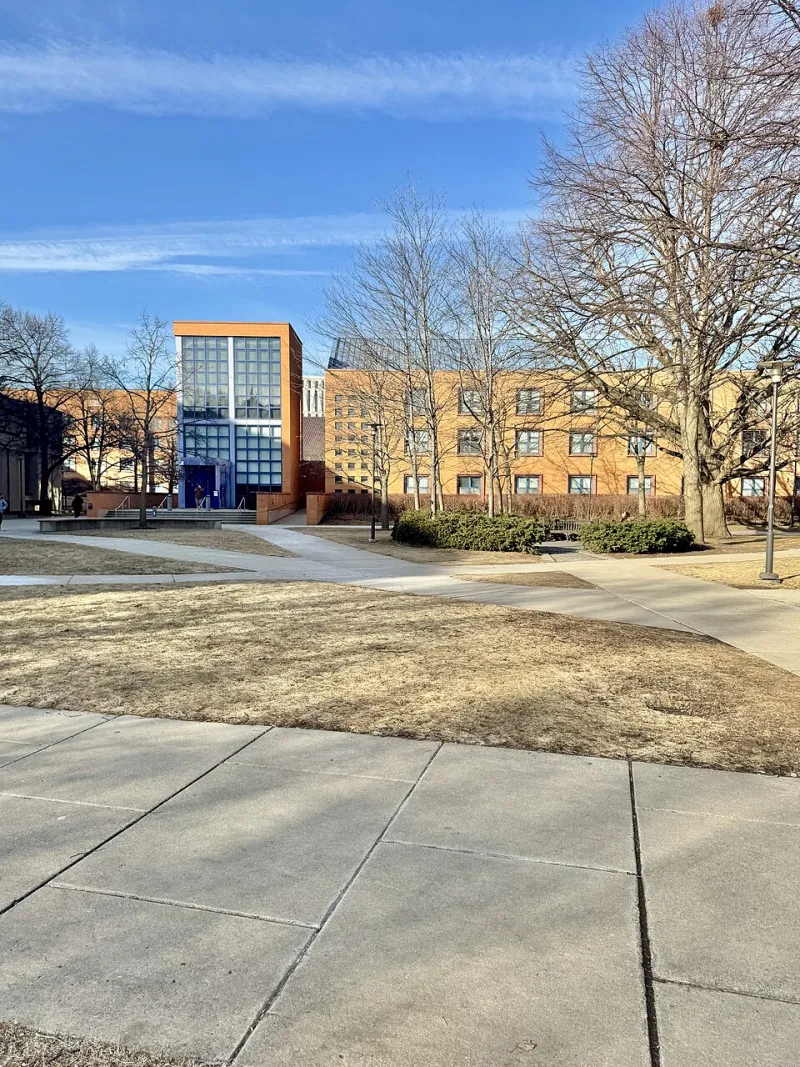
Photo: Warren LeMay from Chicago, IL, United States, CC BY-SA 2.0, via Wikimedia Commons
Chicago's winter readiness does not begin with a city plow. It begins with a text message, a spare snow shovel, and a neighbor who knows which apartment belongs to the person who cannot clear a walk. Before the first major snowfall of 2026, block clubs across the city are turning those small routines into something larger: a seasonal system of mutual aid that often becomes a year-round civic habit.
Why Winter Prep Starts at the Block Level
City government sets the broad frame. The Chicago Department of Streets and Sanitation prioritizes arterial streets and main routes during snow events, while property owners are responsible for clearing sidewalks adjacent to their buildings. That division of labor is sensible, but it leaves predictable gaps. Older residents, people with mobility limitations, households without able-bodied adults, and owners who travel or work overnight can find themselves hemmed in by a drifted sidewalk or an uncleared curb cut.
Block clubs and neighborhood associations fill those gaps not by replacing city services but by coordinating around them. A brigade may be as informal as a group chat among a dozen households or as structured as a mapped route with assigned captains. Either way, the premise is the same: winter is easier when the block treats readiness as a shared responsibility rather than a private burden.
From Shovels to Social Infrastructure
The work looks modest. Someone salts a shared stretch of sidewalk. Someone else knocks on a door to confirm an older neighbor has heat, food, and medication. A family with a snowblower clears the corner ramp. A volunteer drops off a bag of rock salt to a household that cannot lift a forty-pound bag.
Those tasks matter in the moment, but their civic value extends beyond the storm. Low-stakes, repeatable routines build the kind of familiarity that makes larger neighborhood efforts possible. A resident who agrees to shovel for a neighbor in January is more likely to attend a CAPS meeting in March, join a park cleanup in June, or help staff a community event in September. The brigade becomes a front door to participation.
That is why CG Chicago sees winter readiness as civic infrastructure. It is not glamorous, and it rarely makes headlines. But it creates a reliable channel through which neighbors learn one another's names, capacities, and needs. In a city of distinct neighborhoods, that channel is worth maintaining.
What a Winter Brigade Actually Does
Most effective brigades concentrate on four functions.
The first is clearing. Volunteers take responsibility for specific sidewalks, curb cuts, or building entrances, with backups assigned for storms that arrive during work hours or holidays.
The second is checking in. A phone tree or group message confirms that residents who may need help are safe, warm, and stocked with essentials. These check-ins are brief and respectful, and they follow a schedule rather than relying on chance encounters.
The third is sharing supplies. Salt, sand, extra shovels, and ice scrapers are expensive and bulky. A block-level supply pool reduces waste and makes it easier for households to contribute what they can.
The fourth is communication. Brigades need a clear way to share storm updates, request help, and report unresolved problems to the appropriate city channel. That may mean a group chat, a printed roster, or a short weekly email during the winter months.
A Practical Checklist for 2026
Whether you are joining an existing effort or starting one, the sequence matters more than the scale.
-
Define the boundary. Pick a manageable area—one side of a street, a single block, or a small cluster of buildings—and write down who is included.
-
Ask before you assign. Not every resident wants help, and not every resident wants to volunteer. A short survey or door hanger can identify needs and preferences without pressure.
-
Connect with existing partners. Your alderman's office, local CAPS meetings, and community organizations can point you toward current programs, including city volunteer snow-shoveling efforts such as Snow Corps. They can also help you avoid duplicating work.
-
Map the needs. Note addresses that may require extra attention: older residents, people with disabilities, households without a vehicle, and buildings with unshoveled curb cuts.
-
Recruit captains. Assign one or two volunteers to each route, with a backup for each. Keep assignments small enough that no one feels overwhelmed.
-
Set a communication plan. Choose one primary channel and one fallback. Confirm how requests will be made and how volunteers will report completion.
-
Pool supplies early. Collect salt, sand, and spare shovels before the first storm. Store them somewhere accessible and tell participants where to find them.
-
Schedule check-ins. A brief call or message before and after major storms is often enough. If a resident does not respond, follow up according to an agreed protocol.
-
Know when to call for help. Brigades should not handle medical emergencies or unsafe conditions. Use 911 for emergencies and 311 for city service requests.
-
Review after the thaw. Meet once in spring to note what worked, what did not, and who wants to stay involved. That review is where a winter brigade becomes a year-round network.
The Civic Return After the Thaw
Chicago's snow season will end, as it always does. The relationships built during it do not have to. A block club that coordinates shoveling in January can repurpose the same roster for a spring cleanup, a summer block party, or a fall membership drive. The point is not to keep everyone busy. It is to preserve a habit of showing up.
For organizations considering a winter brigade, the message is straightforward: start small, document what you do, and treat the work as a civic practice rather than a one-off favor. The first snow of 2026 will arrive on its own schedule. The block that is ready for it will be stronger long after the last pile melts.