The Second Ask: Converting Chicago's Post-Election Volunteers into Year-Round Civic Members
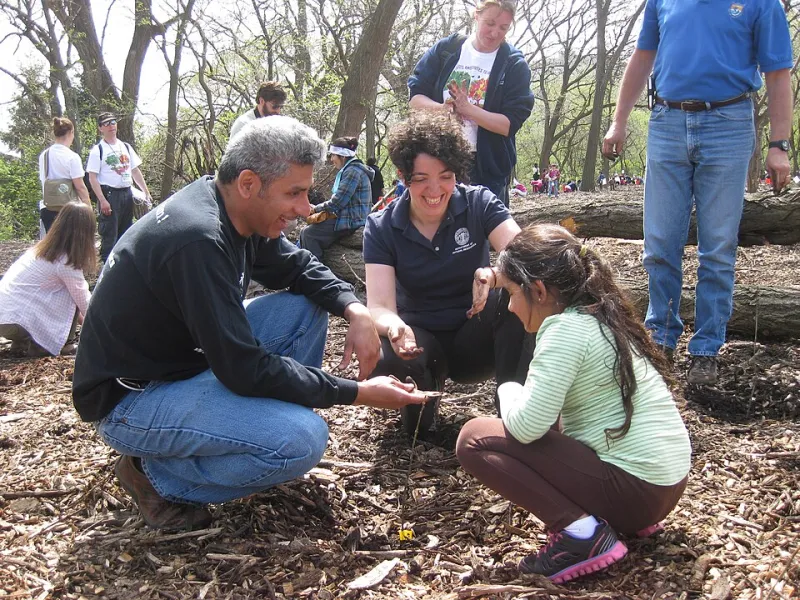
Photo: USFWSmidwest, Public domain, via Wikimedia Commons
By the weekend after Election Day, the physical traces of the 2026 midterms were already coming down across Chicago. Yard signs were stacked in garages, phone-bank lists were being archived, and the rented rooms that had hosted weeks of canvass launches were returning to their usual uses. For neighborhood associations, block clubs, chambers of commerce, and professional groups, the quiet that follows a campaign is both a relief and a risk. The people who knocked doors, made calls, translated materials, and staffed poll tables are still in the city. The question is whether they will become members of something that lasts beyond the election cycle.
Campaigns run on urgency. Civic organizations run on rhythm. The gap between those two operating systems is where post-election enthusiasm usually disappears. Chicago groups that retain volunteers after the ballots are counted tend to treat retention as a program, not a thank-you note.
Follow-Up Is a Program, Not a Formality
The first two weeks after an election are the most valuable and the most neglected. A generic email that says 'stay tuned' does little. A personal follow-up that names what happened, thanks people for a specific contribution, and offers a concrete next date does much more. Organizations should aim to contact volunteers within ten days, not with a mass appeal but with a short, honest summary: here is what we accomplished, here is what we are doing next, and here is the one meeting or project where your help would matter most.
Transparency matters as much as speed. Volunteers who spent months in a campaign are used to clear tasks and visible outcomes. They will judge a civic group by whether its follow-up is equally clear. A simple intake question helps: what did you enjoy doing, and what would you like to learn? The answers should feed directly into committee assignments rather than into a database that no one revisits.
Put Skills Before Slots
Campaign work produces a broader range of skills than many organizations recognize. Canvassing is outreach. Phone banking is member contact. Data entry is list management. Translation is communications. Event staffing is logistics. Chicago groups that convert volunteers successfully tend to build skill-based committees rather than generic volunteer slots. A communications committee, a data and membership committee, an events committee, and a finance committee give newcomers a defined place to contribute without requiring them to understand the whole organization at once.
Short role descriptions help. So does a clear time commitment. Not every volunteer is ready to join a board or chair a committee, and not every organization needs another indefinite commitment. Project-based membership is a useful middle ground: a three-month assignment, a single event series, or a seasonal initiative. The goal is a first step that is specific enough to be useful and small enough to be taken.
Short Sprints Build Standing Habits
One of the most practical retention tactics is the monthly civic sprint: a predictable, time-limited project that recurs on the calendar. A ninety-minute resource-fair preparation session, a Saturday morning neighborhood cleanup, a Tuesday evening phone check-in, or a short letter-writing hour can do more for retention than a quarterly meeting with a long agenda. The sprint model lowers the cost of showing up and gives volunteers a recurring reason to return.
The progression should be visible. A one-time volunteer can become a project team member, then a committee member, then a committee lead. Organizations that make that path explicit retain more people because newcomers can see where they are going. Chicago's civic landscape is full of groups that need reliable hands; it is also full of people who would give those hands if someone described the work plainly.
Publish the Calendar and the Expectations
Campaign volunteers are accustomed to schedules, deadlines, and clear accountability. Civic organizations should offer the same. An annual calendar, published early and kept current, tells members when decisions are made, when events happen, and when help is needed. A short membership sheet can state expectations for dues, volunteer hours, and meeting attendance without making the organization feel closed.
Transparency about decisions matters too. Volunteers who leave a campaign often want to know how a group chooses its priorities. A brief explanation of the committee structure and the budget process can turn curiosity into confidence. Secrecy, by contrast, reads as disorganization.
The Handoff Problem
Campaigns have team leads. Civic groups often have hosts. The difference is not semantic. A new member who leaves a first meeting with one named contact and one confirmed date is far more likely to return than one who leaves with a brochure. Assigning an onboarding buddy, even informally, solves a problem that many Chicago organizations underestimate: the loneliness of being new in a room where everyone else seems to know one another.
The handoff also needs a first task. A newcomer who is asked to 'get involved' may do nothing. A newcomer who is asked to help staff a registration table for two hours on a specific date has a reason to come back.
Measure Return, Not Just Reach
Signups are a weak measure of success. Return attendance is stronger. Organizations should track whether first-time volunteers come to a second event, whether project participants join a committee, and whether committee members stay through a full cycle. Quarterly check-ins, short surveys, and simple attendance logs are enough. The point is not to build a sophisticated analytics system but to notice where people drop off and to adjust the ask.
For Chicago groups, the post-election moment is a test of whether civic membership can be made as concrete as a campaign shift. The volunteers are there. The work is local. What remains is the second ask, made clearly and made soon.